
The Digital Engine for Modern Organizations
e-Content Services power the digital engine behind modern organizations. In an always-on world, your content is more than information; it’s the experience, the message, and the connection that defines how audiences engage with you. From interactive learning platforms and policy frameworks to multimedia campaigns, marketing assets, and educational resources, strategic digital content is the bridge between vision and impact.
Publishing content alone builds pages, not outcomes. Relevant, performance-driven content creates value, influence, and growth. While relevance is the baseline, what truly matters is content that performs, persuades, and delivers measurable results. Our e-Content Services unite UX-led design, SEO intelligence, compelling multimedia, strategic distribution, and data-driven analytics to turn content into influence.
Smart Digital Content and Web Experience Solutions
Digital Content & Web Solutions
Digital Content & Web Solutions play a pivotal role in shaping effective e-content services. By integrating innovative web technologies with high-quality digital content, organizations can create seamless, interactive, and user-friendly online experiences. These solutions enhance accessibility, engagement, and brand visibility, enabling e-content services to deliver impactful, scalable, and results-driven digital platforms in an increasingly competitive online landscape.
WordPress & Digital Media
WordPress & digital media serves as a cornerstone for creating, managing, and delivering e-content efficiently. Leveraging WordPress’s flexible platform, combined with digital media tools, allows organizations to design engaging websites, publish multimedia content, and streamline user interaction. Effective use enhances accessibility, content reach, and audience engagement, empowering e-content services to deliver impactful, professional, and dynamic digital experiences.
Creative WordPress & Digital Media Experiences
Aligning Content for Lasting Impact
Technology and digital platforms enable content at scale, but strategy gives it purpose and direction. While digital assets such as websites, social media, video, and email form the foundation, real impact comes from aligning them under a clear brand vision. Brand alignment ensures consistent messaging, tone, and identity, building recognition and long term trust. This is where e Content Services move beyond execution, transforming content into cohesive and strategic experiences.




Brand Strategy in E-Content Services
Brand strategy in E-Content services is a critical driver of success in today’s digitally saturated environment. As e-content services continue to expand across platforms and audiences, brand identity becomes essential for differentiation and recognition.
Effective branding goes beyond logos and visuals; it communicates credibility, consistency, and value. A well-defined brand strategy aligns content quality, technological innovation, and user experience, fostering trust and long-term engagement.
Core Components of a Successful Strategy
Brand strategy in e-content services refers to the deliberate planning and execution of content that builds a recognizable, trustworthy, and engaging brand identity across digital platforms. It blends storytelling, design, distribution, and audience targeting to create meaningful connections and drive business goals. This strategic branding helps organizations build meaningful connections, enhance market presence, and sustain competitive advantage in an increasingly dynamic digital ecosystem.
The Importance of Brand Strategy in E-Content Services
In today’s rapidly evolving digital landscape, where consumers are bombarded with a constant stream of information and options, having a well-defined brand strategy is more crucial than ever. This is especially true for e-content services, which rely on creating digital content that engages users across various platforms. A clear brand strategy ensures that an e-content service stands out, builds credibility, and fosters trust with its target audience.
Brand identity, a key component of branding, plays a significant role in differentiating e-content services in a crowded market. It goes beyond just logos and visual elements, encompassing the message, tone, values, and overall user experience that the brand conveys. A strong brand strategy helps companies align their content quality, technological innovation, and customer interactions to create a memorable and engaging experience.
This article explores the role of brand strategy in e-content services, emphasizing its importance in shaping brand identity, enhancing user engagement, and building long-term relationships with customers.
Understanding Brand Strategy in E-Content Services
What is Brand Strategy?
Brand strategy refers to the long-term plan that outlines how a business will position itself in the market to achieve specific goals. It involves defining the brand’s core values, mission, target audience, and unique selling proposition (USP). For e-content services, brand strategy is the backbone that drives all content-related efforts, from creation to distribution, ensuring that the service’s message is clear and resonates with the intended audience.
A well-crafted brand strategy is essential for:
- Differentiation: Helping the e-content service stand out in a saturated digital market.
- Consistency: Ensuring that all digital content aligns with the brand’s vision and messaging.
- Credibility: Building trust with consumers through consistent quality and professional branding.
- Customer loyalty: Encouraging repeat engagement by fostering a strong emotional connection with the brand.
Why Is Brand Strategy Crucial in E-Content Services?
In the digital world, e-content services face stiff competition. Whether you are a digital media company, an educational platform, or a content marketing agency, having a solid brand strategy is vital for several reasons:
- Enhanced Visibility: A strategic brand helps e-content services gain recognition and stand out across various platforms like websites, social media, and apps.
- Emotional Connection: Effective brand strategy ensures that content resonates with users on an emotional level, which leads to stronger engagement and loyalty.
- User Retention: A well-defined brand that provides consistent, high-quality content will naturally encourage users to return, helping businesses build long-term relationships.
- Competitive Edge: In a crowded digital environment, a strong brand can help e-content services stay ahead of the competition by reinforcing their unique position in the market.
Key Elements of a Strong Brand Strategy for E-Content Services
A brand strategy is more than just a marketing tool; it’s the foundation on which a company’s reputation is built. Below are the critical components of a successful brand strategy for e-content services.
- Defining Brand Identity
Brand identity is the visual and emotional representation of your brand. In the context of e-content services, this involves everything from your website’s design to the tone of your content and how users perceive your company.
Key factors in building a strong brand identity include:
- Logo Design: Your logo should be easily recognizable, versatile, and reflective of your brand’s values.
- Colour Scheme: The colours used on your website, social media, and promotional materials should align with your brand’s personality and message.
- Voice and Tone: The way you communicate through your content whether it’s formal, casual, or authoritative needs to reflect your brand’s identity.
- Consistency Across Platforms: Maintaining consistent branding across all digital touchpoints, including social media, websites, and email campaigns, is essential for reinforcing your identity.
- Developing a Unique Value Proposition (UVP)
For e-content services to thrive, they must differentiate themselves from the competition. A unique value proposition clearly communicates the distinct advantages your service offers. It highlights what makes your content special and why users should choose your service over others.
Consider these elements when crafting your UVP:
- Target Audience: Identify the specific needs and pain points of your audience.
- Content Quality: Highlight the value and uniqueness of your content.
- Technology and Innovation: Showcase any technological advantages or innovative approaches you bring to the market.
- Ensuring Consistency in Content Delivery
Brand strategy and content strategy must align. Consistency in content delivery helps establish a strong brand presence, build credibility, and enhance user engagement. This consistency should be maintained across all aspects of your e-content services, including:
- Content Scheduling: Regular updates and fresh content keep your audience engaged and informed.
- Quality Control: Every piece of content should meet a high standard in terms of quality, accuracy, and relevance to your audience.
- Building Trust and Credibility
Brand strategy is not just about visibility and recognition; it is also about trust. Users are more likely to engage with e-content services they trust, and that trust is built over time. Key elements to building trust include:
- Transparency: Be open about your content creation process, data usage, and any affiliations.
- Credible Sources: Citing reputable sources in your content adds authority and credibility. For instance, referencing industry leaders or academic sources can help reinforce your message.
- User Feedback and Reviews: Encourage user reviews and testimonials to enhance credibility and foster a sense of community.
“Your brand is what other people say about you when you’re not in the room.” – Jeff Bezos, Founder of Amazon
The Impact of Branding on E-Content Services
Effective branding in e-content services does more than just attract users—it creates lasting connections. By establishing a consistent and trustworthy brand, companies can build a loyal audience base. A strategic brand also helps e-content services capitalize on emerging trends and technologies, keeping them relevant and competitive.
What a Branding Drives Engagement
Branding plays a crucial role in driving user engagement, especially in e-content services. Here’s how:
- Visual Appeal: A well-designed brand identity attracts users and encourages them to explore further.
- Emotional Resonance: A brand that communicates the right message will forge an emotional connection with users, leading to higher engagement levels.
- Tailored Content: Understanding your audience’s preferences allows you to create content that resonates and encourages interaction.
Strengthening Market Presence with Effective Branding
A strong brand identity helps e-content services secure a strong market presence. By consistently delivering value through high-quality content, businesses can establish themselves as thought leaders and industry innovators. A well-positioned brand is more likely to be recognized and recommended by users, expanding its reach and influence.
Brand strategy is a cornerstone of success for e-content services. By developing a strong brand identity, defining a unique value proposition, and ensuring consistency in content delivery, e-content services can build credibility, foster trust, and create lasting connections with their audience. As the digital landscape continues to evolve, effective branding will remain a key differentiator in maintaining a competitive edge and sustaining long-term growth.
Strategic Foundations for E-Content Growth and Digital Impact
In an increasingly competitive digital environment, e-content success is driven by strategy, creativity, and reach working in unison. Effective content planning provides direction, engaging multimedia content captures attention, and strategic social media distribution amplifies visibility and impact. Together, these elements form a cohesive framework that transforms digital content from isolated assets into a powerful engine for engagement, brand authority, and measurable growth.
This series of articles provides an in-depth examination of how structured planning, compelling multimedia experiences, and intelligent social media extension work together to maximise the value of e-content services, ensuring relevance, consistency, and sustained performance across today’s evolving digital platforms.
Building Effective E-Content Through Structured Content Flow
Content Planning for E-Content Success
In an overcrowded digital landscape, success is no accident. Strategic content planning transforms scattered ideas into purposeful, high-impact e-content that attracts, engages, and converts. Find out how clear goals, audience insight, and disciplined execution turn content into a measurable growth engine for sustained digital performance success.
Creating Engaging Multimedia Content
Creating engaging multimedia content is central to the effectiveness of modern e-content services. By integrating video, images, audio, and interactive elements, organizations can enhance user attention, understanding, and retention. Well-designed multimedia content transforms information into immersive experiences, supports diverse learning styles, and strengthens audience engagement across digital platforms.
Designing Engaging Multimedia Content That Resonates
Driving Content Reach and Engagement Through Social Media
Extending Content Reach via Social Media
Extending content reach via social media is a vital component of effective e-content services. Social platforms enable rapid distribution, audience interaction, and real-time feedback, amplifying content visibility beyond traditional channels. Strategic integration of social media ensures consistent messaging, targeted outreach, and sustained engagement, allowing e-content services to connect with diverse audiences in an increasingly interconnected digital environment.


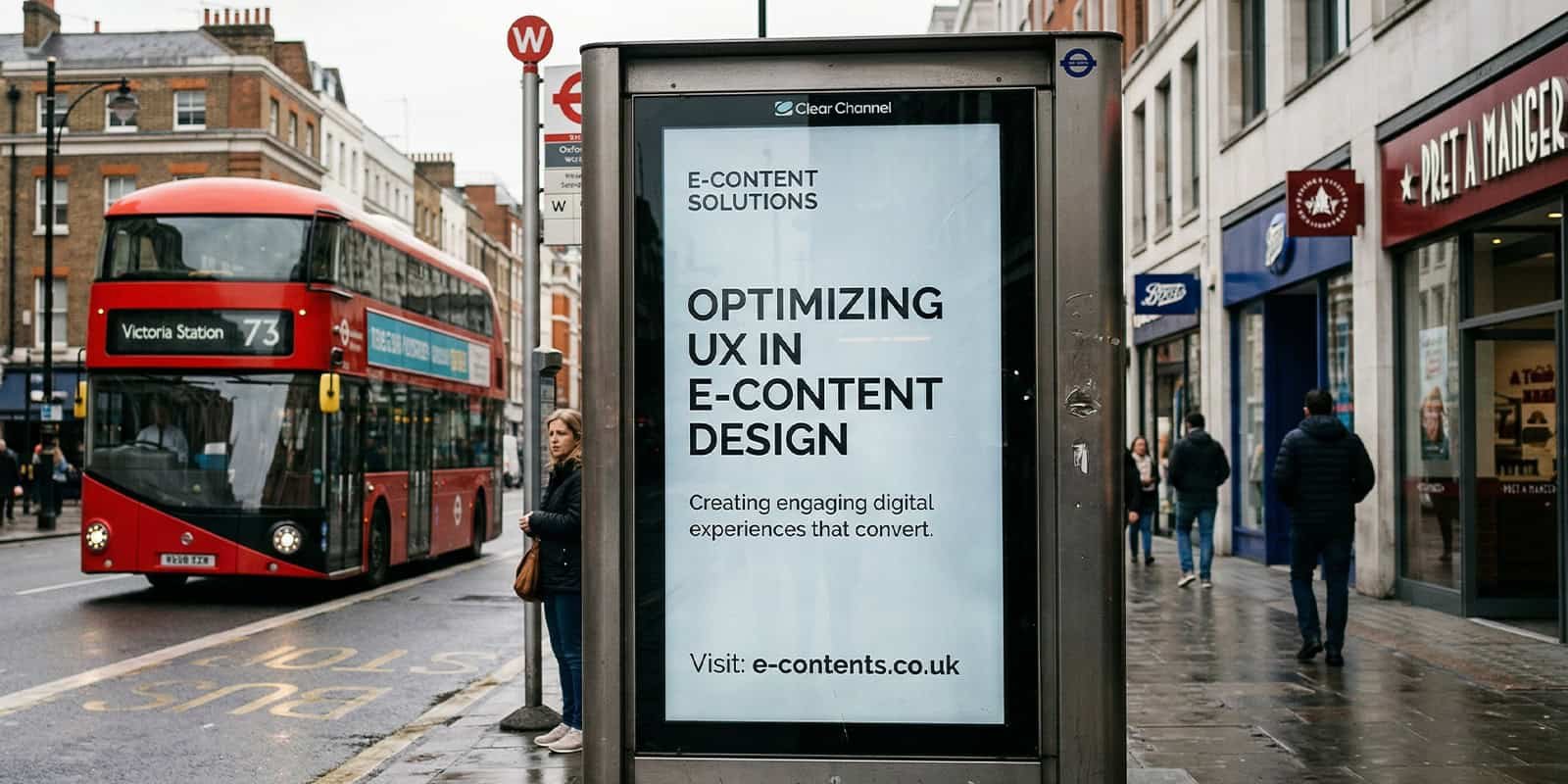

Optimizing UX in E-Content Design
Optimizing UX in E-Content design is crucial for creating digital experiences that are intuitive, engaging, and user-focused. By integrating principles of user experience (UX) with strategic content design, organizations can ensure accessibility, seamless navigation, and visual clarity across platforms. Optimized UX enhances engagement, reduces friction, and strengthens brand credibility, transforming content into meaningful experiences.
What is UX in E-Content Design?
User experience (UX) refers to the overall feel and satisfaction users get when interacting with a digital product, whether it’s a website, app, or any form of content. In the context of e-content services, UX is the way users engage with, consume, and navigate digital content. It encompasses various elements, from page layout to the clarity of written information, the responsiveness of the site, and the intuitiveness of the interface.
Optimizing UX in e-content design is an essential strategy for creating digital platforms that not only attract but also engage and retain audiences. As organizations continue to focus on creating high-quality content, the importance of UX has become ever more evident. A well-designed user experience enhances the way users interact with content, driving greater satisfaction, improving retention, and boosting overall effectiveness.
Why is UX Important in E-Content Design?
- User Retention: Websites or platforms with poor UX often lead to frustration, causing users to abandon them. Optimized UX ensures that users can navigate effortlessly, find what they need, and engage with content longer.
- Improved Accessibility: Accessibility is a key element of UX, ensuring that all users, regardless of ability, can interact with content. By optimizing for accessibility, organizations can expand their reach and foster inclusivity.
- Enhanced Engagement: When users find content easy to consume and navigate, they are more likely to engage with it. This increases the chances of conversions, whether that means reading more content, purchasing products, or sharing information with others.
- Brand Credibility and Trust: A seamless and enjoyable experience reinforces a positive impression of a brand. Users are more likely to trust brands that offer well-designed, user-friendly websites or apps.
Key Principles of Optimizing UX in E-Content Design
To create an outstanding UX in e-content services, certain core principles need to be followed. These principles can guide the development of an engaging and intuitive experience.
- Simplicity
Simplicity is a cornerstone of great UX design. When users encounter overwhelming or complex layouts, they may become confused or frustrated. Therefore, it’s crucial to streamline the content and navigation.
- Clear Navigation: Users should be able to find what they need quickly. Use intuitive navigation menus, breadcrumb trails, and search functions to reduce friction.
- Concise Content: Present information clearly and avoid unnecessary complexity. Break up text into digestible sections and use headers and bullet points for easy scanning.
- Consistency
Consistency is essential in creating a unified experience across different pages and platforms. When design elements (such as buttons, colours, and fonts) remain consistent, users can more easily navigate the content and understand how to interact with it.
- Branding: Ensure that all elements align with your brand’s visual identity. Use consistent colour schemes, typography, and iconography.
- Navigation: Keep navigation structures and terminology consistent across the platform. This avoids confusion and helps users understand where they are and where they can go.
- Responsiveness
In today’s mobile-first world, it is crucial that your e-content is responsive. This means that your design should adapt seamlessly to different screen sizes and devices, whether it’s a desktop, tablet, or mobile phone.
- Mobile Optimization: Over half of all web traffic comes from mobile devices. Ensure that your content is optimized for smaller screens and touch interfaces.
- Speed: A slow-loading page can dramatically increase bounce rates. Compress images, optimize code, and use caching techniques to enhance load times.
- Visual Clarity
The visual presentation of e-content plays a major role in determining how users perceive and engage with the material. A clean, well-organized layout is crucial for optimizing UX.
- Whitespace: Use whitespace to separate content sections and improve readability. This makes it easier for users to focus on one part of the content at a time.
- Typography: Choose legible fonts with appropriate sizing and contrast to make text easy to read on all devices.
- Colour Usage: Colours should be used strategically to draw attention to key content, but they should not overwhelm the user.
Optimizing Digital Content Through UX Thinking
Now that we understand the importance of UX and the key principles for creating a user-friendly experience, let’s explore some practical strategies that can be implemented to optimize e-content design.
- User-Centred Design (UCD)
User-centred design is the practice of designing with the end-user’s needs, preferences, and behaviours in mind. By prioritizing user input and feedback during the design process, organizations can create more engaging and effective content.
- User Research: Conduct surveys, focus groups, and usability tests to gather insights into how your target audience interacts with your content.
- Personas: Develop user personas to better understand the needs and pain points of different audience segments.
- Optimize Content Structure
Content structure plays a crucial role in how easily users can navigate and engage with the material. Organizing your content in a logical, easy-to-follow manner will enhance UX.
- Clear Headings and Subheadings: Use headings (H2, H3, etc.) to break up text into easily scannable sections. This allows users to quickly locate relevant information.
- Bullet Points and Lists: Break up dense paragraphs with bulleted or numbered lists to highlight key points and make content more digestible.
- Internal Linking: Use internal links to guide users to related content, encouraging further exploration and improving time on site.
- Implement Interactive Features
Interactive features can enhance the user experience by allowing users to engage more deeply with the content.
- Forms and Surveys: Collect user feedback and preferences through forms or surveys to refine the content and UX further.
- Interactive Media: Incorporate elements like videos, infographics, or interactive quizzes that encourage users to interact with the content.
- Continuous Testing and Optimization
Even after the launch of your e-content platform, continuous testing and optimization are essential to improving the user experience.
- A/B Testing: Regularly conduct A/B tests to compare different versions of pages and identify the most effective design elements.
- Analytics: Use tools like Google Analytics to track user behaviour and make data-driven decisions to refine UX.
The Role of UX in Strengthening Brand Credibility
A well-optimized user experience in e-content design can significantly enhance brand credibility. According to a report by Nielsen Norman Group, users are more likely to trust websites with a smooth, professional design, which can ultimately lead to increased brand loyalty and higher conversion rates. An optimized UX encourages users to return to the site and build a relationship with the brand, thus contributing to long-term success.
“A positive user experience has the power to turn casual visitors into loyal customers. In an era where digital interactions dominate, UX is the bridge between content and lasting engagement.“ – Nielsen Norman Group
Optimizing UX in e-content design is not just about aesthetics; it’s about crafting meaningful, intuitive experiences that put the user first. By integrating UX principles like simplicity, consistency, and responsiveness with well-structured, engaging content, organizations can create digital experiences that not only attract but also retain and delight audiences. As competition grows in the digital landscape, prioritizing UX in e-content design is no longer optional – it is essential for success. By adopting a user-centred approach and continuously refining the design, organizations can maximize the impact of their e-content and build stronger, more trusted relationships with their audience.
By focusing on optimizing UX in e-content services, businesses can not only improve the usability of their platforms but also elevate the content itself, ensuring that every interaction contributes to a positive user experience.
Data-Driven SEO to Maximize E-Content Performance
SEO for E-Content Effectiveness
SEO for E-Content effectiveness is essential for ensuring digital content reaches its intended audience. By optimizing content for search engines, e-content services can improve visibility, attract targeted traffic, and enhance engagement. Effective SEO integrates keyword strategy, metadata, and content structure, transforming well-crafted e-content into discoverable, impactful, and results-driven digital experiences in an increasingly competitive online landscape.
Optimizing Content Through Analytics
Optimizing content through analytics is crucial for maximizing the impact of e-content services. By systematically tracking user engagement, reach, and performance metrics, organizations can identify what resonates with audiences and refine their strategies. Data-driven insights enable continuous improvement, ensuring content is relevant, effective, and aligned with user needs, ultimately enhancing visibility, engagement, and overall digital success.
e-Content Services Transforming Content Experiences Using Analytics Tools
Powering Effective E-Content Services
In today’s digital era, digital content and web solutions have become the backbone of effective e-content services. Organizations no longer compete solely on the quality of their content; success hinges on how content is delivered, accessed, and experienced online. By leveraging advanced web solutions, from responsive websites to integrated content management systems, institutions can ensure that digital content is not only engaging but also interactive, accessible, and strategically aligned with organizational goals. These capabilities empower e-content services to provide scalable, measurable, and impactful digital experiences across diverse platforms.
“Content is fire, social media is gasoline—but web solutions are the engine that drives the flame.” – Adapted from Jay Baer
The synergy between digital content and web solutions is essential for institutions ranging from educational organizations and corporations to government agencies. In an increasingly competitive digital environment, the ability to deliver compelling content efficiently and measurably has become a key differentiator.
The Central Role of Digital Content in E-Content Services
Digital content forms the heart of any successful e-content service. It is not just information; it is a strategic asset that drives engagement, learning, and brand recognition. Digital content spans multiple formats, including:
- Text-based content: Articles, blogs, research papers, policy documents, and e-learning modules.
- Multimedia content: Videos, images, podcasts, infographics, and interactive simulations.
- Interactive content: Quizzes, assessments, forms, and gamified learning modules.
The quality, relevance, and accessibility of this content determine its impact on audiences. High-quality digital content helps organizations communicate their message effectively, maintain credibility, and achieve measurable outcomes, whether it is enhanced student learning, increased commercial conversions, or improved civic engagement.
Without a robust web solution to host, deliver, and manage this content, even the most innovative digital material can fail to achieve its potential. For example, a beautifully designed e-learning module that is slow to load or difficult to navigate will frustrate users and reduce engagement, demonstrating why web solutions are inseparable from digital content in e-content services.

Web Solutions: Building the Infrastructure for Digital Success
Web solutions encompass the technical framework and tools that enable organizations to deploy, manage, and optimize digital content effectively. Key elements of robust web solutions include:
- Content Management Systems (CMS): Platforms like WordPress, Drupal, or Joomla streamline content creation, editing, publishing, and updates, ensuring consistency and scalability.
- Responsive Web Design: Ensures seamless experiences across desktops, tablets, and mobile devices, which is critical in a mobile-first world.
- Custom Web Applications: Interactive dashboards, portals, or e-learning platforms enhance user experience and content usability.
- Integration with Third-Party Tools: SEO plugins, social media management platforms, analytics tools, and marketing automation systems allow organizations to extend reach, measure performance, and optimize content strategies.
- Cloud Hosting and Security Solutions: Scalable hosting solutions ensure reliable performance and protect sensitive data.
By leveraging these web solutions, organizations transform digital content from static information into interactive, user-friendly experiences that engage audiences, foster loyalty, and drive measurable outcomes.
Enhancing Engagement Through Digital Content & Web Solutions
Engagement is the cornerstone of effective e-content services. Combining digital content with web solutions allows organizations to create immersive, interactive, and accessible experiences that retain audience attention. Key strategies include:
- User-Centred Design (UX): Intuitive navigation, logical content hierarchy, and simplified interfaces reduce friction and enhance satisfaction.
- Multimedia Integration: Videos, infographics, slideshows, and interactive simulations cater to diverse learning styles and keep users engaged longer.
- Accessibility Compliance: Adhering to WCAG (Web Content Accessibility Guidelines) ensures that content is inclusive, usable by people with disabilities, and aligned with global accessibility standards.
- Personalization and Adaptive Content: Tailoring content based on user behaviour, preferences, or demographics creates a more meaningful experience and increases engagement.
For example, an educational institution offering digital content through an interactive web solution can provide adaptive learning paths that adjust in real-time based on a student’s progress, ensuring that each learner receives the most relevant resources. Similarly, businesses can use web solutions to track visitor behaviour and present content that aligns with customer interests, increasing the likelihood of conversion.

Scalability and Futureproofing
As organizations grow, their e-content services must scale effectively. Scalable web solutions ensure that digital content remains accessible, functional, and relevant as audiences expand and technology evolves. Key considerations for scalability include:
- Content Expansion: Adding new pages, media formats, or modules without system disruption.
- Traffic Management: Handling increasing user volumes without compromising performance or accessibility.
- Integration of Emerging Technologies: Leveraging AI, AR/VR, chatbots, or machine learning to enhance interactivity and user experience.
- Continuous Analytics and Optimization: Real-time monitoring of user engagement, content performance, and technical efficiency to inform strategic decisions.
Future-proof web solutions allow organizations to remain competitive, meet evolving audience expectations, and respond dynamically to digital trends, ensuring that e-content services deliver lasting value.
Measurable Outcomes of Digital Content & Web Solutions
The strategic integration of digital content and web solutions enables organizations to achieve measurable results across multiple dimensions:
- Increased Engagement: Higher session duration, lower bounce rates, and more interactions with content.
- Enhanced Brand Visibility: Improved search engine rankings, social media presence, and online authority.
- Operational Efficiency: Streamlined workflows, reduced manual content management, and improved cross-department collaboration.
- Data-Driven Decision Making: Analytics provide insights into user behaviour, content effectiveness, and platform performance, allowing for continuous improvement.
A 2022 HubSpot report highlights that organizations that integrate CMS-driven web solutions with high-quality digital content experience three times higher user engagement and double the conversion rates compared to static content platforms (HubSpot, 2022).

Best Practices for Implementing Digital Content & Web Solutions
To maximize the benefits of e-content services, organizations should adopt the following best practices:
- Define Clear Objectives and KPIs: Align content strategy and web solutions with organizational goals.
- Prioritize User Experience: Ensure seamless navigation, accessibility, and engagement through UX-focused design.
- Leverage Multimedia Strategically: Videos, infographics, and interactive modules enrich user interaction and retention.
- Integrate SEO and Analytics Tools: Improve content discoverability and measure performance effectively.
- Regularly Update Content and Technology: Maintain relevance, security, and efficiency through continuous optimization.
By implementing these practices, organizations can maximize the ROI of their e-content services and strengthen their digital presence.
The Future of Digital Content & Web Solutions
The evolution of digital content and web solutions continues at a rapid pace. Trends shaping the future of e-content services include:
- AI-Driven Personalization: Delivering content tailored to individual user behaviour and preferences.
- Interactive and Immersive Media: Incorporating AR/VR, simulations, and gamified learning for enhanced engagement.
- Voice and Visual Search Optimization: Ensuring content is discoverable through emerging search technologies.
- Automated Content Management: AI-powered tools that create, edit, and optimize content efficiently.
Organizations that adopt these innovations early can gain a competitive edge, offering e-content services that are not only effective today but adaptable to the needs of tomorrow.
In conclusion, Digital Content & Web Solutions are indispensable components of modern e-content services. By combining high-quality digital content with scalable, interactive web solutions, organizations can deliver engaging, accessible, and measurable digital experiences. From improving audience engagement and brand visibility to driving operational efficiency and strategic insights, the integration of content and technology transforms digital presence from a static resource into a dynamic, results-driven advantage.
Investing in digital content and web solutions is no longer optional, it is essential for any organization seeking to thrive in today’s digital-first world. With strategic implementation, continuous optimization, and forward-looking innovation, e-content services become a powerful engine for growth, learning, and influence.
The Strategic Core of Modern e-Content Services
WordPress & Digital Media stands at the heart of contemporary e-content services, providing organizations with a powerful framework for creating, managing, and delivering digital content at scale. As digital communication continues to evolve, the ability to combine a flexible content management system with rich digital media capabilities has become essential rather than optional.
WordPress, supported by a vast ecosystem and open standards, enables structured content management, while digital media enriches that content through visuals, audio, video, and interactive elements. Together, they allow e-content services to move beyond static publishing and toward dynamic, user-centred digital experiences. When implemented professionally, WordPress & Digital Media enhances accessibility, improves content reach, strengthens engagement, and supports long-term digital growth.
This article expands the initial concept into a comprehensive exploration of how WordPress & Digital Media functions as a foundational pillar within professional e-content services, addressing strategy, structure, content delivery, performance, engagement, and sustainability.
The Role of WordPress in e-Content Services
WordPress as a Content Management Backbone
At its core, WordPress is a robust content management system designed to handle large volumes of information efficiently. For e-content services, this capability is critical. WordPress allows organizations to centralise content creation, editorial workflows, and publishing within a single, coherent platform.
Key advantages of WordPress within e-content services include:
- Centralised management of text, images, video, and audio
- Flexible content structures that support growth and change
- Editorial roles and permissions for governance and quality control
- Compatibility with digital media tools and third-party platforms
WordPress provides the technical foundation that enables e-content services to operate with consistency, efficiency, and scalability.
Flexibility and Extensibility for Digital Media

WordPress’s extensible architecture allows digital media to be seamlessly integrated into content strategies. Rather than being limited to basic publishing, organizations can expand functionality to support advanced media workflows, interactive content, and tailored user experiences.
This flexibility ensures that WordPress & Digital Media can evolve alongside organizational needs, making it a long-term asset rather than a short-term solution.
Digital Media as a Driver of Engagement
Defining Digital Media in the Context of WordPress
Digital media encompasses all non-static content formats used to communicate information digitally. Within WordPress, digital media is not an add-on but a core component of effective content delivery.
Common digital media elements include:
- High-quality imagery and visual storytelling
- Video content for education, promotion, and engagement
- Audio formats such as podcasts and recorded discussions
- Interactive components that encourage user participation
When aligned with WordPress, digital media transforms content into experiences, reinforcing the value proposition of e-content services.
Why Digital Media Matters for e-Content Services

Digital media significantly influences how users consume and interact with content. Text alone is often insufficient to capture attention or convey complex ideas effectively.
Digital media supports e-content services by:
- Increasing time spent on content
- Improving comprehension and retention
- Enhancing emotional connection with audiences
- Supporting accessibility and inclusive communication
WordPress & Digital Media, when combined strategically, ensures that content remains relevant, engaging, and adaptable across platforms.
Content Structure, Architecture, and Information Design

Structured Content for Scalability
Professional e-content services depend on structure. WordPress enables content to be organised into reusable, well-defined components rather than isolated pages. This approach supports long-term scalability and efficient content management.
Structured content typically involves:
- Custom content types for different forms of digital media
- Taxonomies for categorisation and discoverability
- Modular layouts that adapt across devices
- Metadata that supports search and filtering
This architectural discipline allows WordPress & Digital Media to support complex content ecosystems without sacrificing clarity or performance.
Information Design and User Experience
Information design determines how users navigate and interpret content. WordPress provides the framework, but effective digital media design ensures that information is presented logically and intuitively.
Strong information design within e-content services focuses on:
- Clear hierarchy using headings and visual cues
- Logical content flow that aligns with user intent
- Consistent design patterns across pages
- Reduced cognitive load through clarity and simplicity
By aligning WordPress & Digital Media with sound information design principles, organizations guide users toward meaningful engagement rather than passive consumption.
Multimedia Content Creation and Editorial Control
Managing Diverse Media Formats
One of the defining strengths of WordPress & Digital Media is the ability to manage multiple content formats within a single system. This capability is essential for e-content services that aim to deliver rich, multi-layered digital experiences.
WordPress supports:
- Long-form articles and structured written content
- Image galleries and visual assets
- Embedded or hosted video and audio
- Interactive media and dynamic components
This unified management approach ensures consistency and efficiency across all digital media outputs.
Editorial Governance and Quality Assurance

Professional e-content services require more than creativity; they demand governance. WordPress offers built-in tools that support editorial workflows and quality control, which are critical when managing digital media at scale.
Editorial governance includes:
- Defined user roles and permissions
- Content review and approval processes
- Version control and revision history
- Scheduled publishing and updates
These mechanisms ensure that WordPress & Digital Media contributes to credibility, accuracy, and brand trust.
Performance, Accessibility, and Technical Standards
Optimising Digital Media Performance
Performance is a defining factor in digital success. Heavy or poorly optimised digital media can undermine the effectiveness of even the best content strategies.
Within WordPress & Digital Media, performance optimisation focuses on:
- Compressing and resizing media assets
- Delivering responsive media for different devices
- Reducing unnecessary scripts and resources
- Leveraging caching and efficient delivery methods
High-performing digital media ensures that e-content services remain accessible and competitive.
Accessibility as a Professional Obligation
Accessibility is integral to responsible digital publishing. WordPress supports accessibility best practices when implemented correctly, enabling e-content services to reach the widest possible audience.
Accessibility considerations include:
- Semantic markup and proper heading structure
- Alternative text for images and media
- Keyboard navigation and screen reader compatibility
- Readable typography and sufficient contrast
As highlighted by the World Wide Web Consortium:
“Accessibility is essential for developers and organizations that want to create high-quality websites and web tools and not exclude people from using their products and services.”
This principle reinforces the ethical and professional standards expected of modern e-content services.
Audience Engagement and Content Distribution
Enhancing Interaction Through Digital Media
Engagement is a core objective of WordPress & Digital Media strategies. Interactive and multimedia content encourages users to explore further, increasing the overall impact of e-content services.
Effective engagement strategies include:
- Clear calls to action within content
- Multimedia elements that support narrative flow
- Interactive features that invite participation
- Consistent branding across digital media assets
WordPress provides the flexibility to implement these strategies without compromising structure or performance.
Multi-Channel Reach and Content Reuse
WordPress & Digital Media enables content to extend beyond a single website. Content can be repurposed and distributed across multiple channels, maximising return on investment for e-content services.
Distribution channels commonly include:
- Social media platforms
- Email marketing systems
- Search engines and content aggregators
- External applications via APIs
This multi-channel capability ensures that digital media reaches audiences wherever they are most active.
Measurement, Analytics, and Continuous Improvement
Data-Driven Content Strategy
Effective e-content services rely on measurement. WordPress integrates seamlessly with analytics tools, enabling organisations to evaluate how digital media performs in real-world scenarios.
Key metrics often include:
- User engagement and dwell time
- Interaction with digital media elements
- Conversion and goal completion rates
- Content discovery and navigation patterns
These insights allow WordPress & Digital Media strategies to evolve based on evidence rather than assumptions.
Iterative Enhancement and Long-Term Value
WordPress supports continuous improvement. Content and digital media can be refined, expanded, and updated without disrupting the underlying system.
This iterative approach allows e-content services to:
- Respond to audience feedback
- Refresh outdated digital media
- Expand successful content themes
- Align content with evolving objectives
Such adaptability ensures long-term relevance and sustainability.
WordPress & Digital Media as a Cornerstone of e-Content Services
WordPress & Digital Media represents a strategic cornerstone for modern e-content services. By combining a flexible, scalable content management system with rich and accessible digital media, organizations can deliver professional, engaging, and future-ready digital experiences.
When implemented with structured architecture, editorial governance, performance optimisation, and accessibility in mind, WordPress becomes far more than a publishing tool. It evolves into a comprehensive platform for digital communication and content excellence. Digital media, in turn, amplifies impact, engagement, and reach.
For e-content services seeking to deliver meaningful, measurable, and sustainable digital value, WordPress & Digital Media remains an essential and enduring foundation.
Enhancing E-Content Performance Through SEO
In today’s digital age, creating high-quality e-content is just one part of the equation. To truly achieve online success, businesses must ensure that their content is not only engaging but also discoverable by their target audience. This is where SEO (Search Engine Optimization) for e-content comes into play. When executed correctly, SEO can significantly improve the effectiveness of e-content by increasing its visibility, driving traffic, and ultimately enhancing engagement.
In this article, we’ll explore how SEO for e-content can be strategically applied to ensure that digital content reaches its maximum potential. From keyword integration to metadata optimization and content structure, each element plays a critical role in making e-content both discoverable and impactful.
The Role of SEO in E-Content Effectiveness
E-content services encompass a variety of digital media, from blog posts and articles to videos and infographics. However, producing high-quality e-content is only part of the battle. To ensure that the content is effective, it needs to be easily found by search engines, which is why SEO for e-content is crucial.
Search Engine Optimization (SEO) is the practice of optimizing content to rank higher in search engine results pages (SERPs). With millions of pieces of content being published every day, effective SEO helps businesses stand out and attract the right audience. The key to successful SEO lies in the application of a targeted strategy that includes keyword optimization, content structure, and metadata management.

Key Elements of SEO for E-Content
- Keyword Strategy
An effective SEO strategy starts with identifying the right keywords for your content. Keywords are the terms and phrases that users input into search engines when looking for specific information. By aligning your e-content with relevant keywords, you increase the chances of your content appearing in search results.
How to Conduct Keyword Research
- Use tools like Google Keyword Planner, Ahrefs, or SEMrush to find keywords with high search volume and low competition.
- Consider the search intent behind the keywords: Are users looking for information, products, or services?
- Incorporate long-tail keywords (specific, multi-word phrases) to target niche audiences effectively.
Once you’ve identified your keywords, strategically place them in your content, such as in headings, subheadings, and throughout the body. However, avoid keyword stuffing, which can negatively impact user experience and SEO rankings.
- Optimizing Metadata
Metadata plays an essential role in SEO for e-content. Metadata includes the title tag, meta description, and alt text for images. Properly optimized metadata can greatly improve click-through rates (CTR) and search rankings.
- Title Tags: Include primary keywords in your title tag and ensure it is under 60 characters to avoid truncation in search results.
- Meta Descriptions: Write compelling meta descriptions (under 160 characters) that summarize the content and include secondary keywords.
- Alt Text for Images: Describe images with keyword-rich alt text to help search engines understand what the image is about.
These elements, though often overlooked, are vital for both search engines and users in understanding the content’s relevance and improving its visibility.
- Content Structure and Readability
The structure of your content directly influences SEO and user experience. Well-organized content is easier for search engines to crawl and index, while also offering a better experience for readers.
- Use Headings and Subheadings (H2, H3): Break your content into digestible sections using headings. This not only improves SEO by signalling content structure to search engines, but it also helps users quickly navigate to sections of interest.
- H2 (Main Headings): Should include primary keywords and give a clear indication of the topic.
- H3 (Subheadings): Break down complex ideas into smaller, focused sections. Incorporating secondary keywords here can further optimize the content.
- Short Paragraphs and Bullet Points: Long blocks of text can overwhelm readers. Short paragraphs and well-organized bullet points enhance readability and encourage users to stay on the page longer, which positively impacts SEO.
Example of Structured Content:
- H2: Importance of SEO for E-Content
- H3: Why Visibility Matters
- H3: The Link Between SEO and Audience Engagement
- Unordered Bullet Points:
- Boosts discoverability by aligning content with searcher queries.
- Drives qualified traffic to the website.
- Increases user interaction and time spent on the page.
How SEO Enhances E-Content Effectiveness

When done right, SEO for e-content results in numerous benefits that go beyond search engine rankings. Let’s explore how effective SEO boosts the overall effectiveness of digital content.
- Increased Visibility and Organic Traffic
By optimizing your e-content with SEO best practices, you make it easier for search engines to understand and rank your content. This increased visibility translates into higher organic traffic, meaning users can find your content through relevant search queries.
- Improved User Experience
SEO is not just about ranking higher; it’s also about delivering a positive user experience. Well-structured content, fast loading times, and mobile optimization contribute to a better experience for your audience. When users find what they are looking for quickly and easily, they are more likely to stay on your site, interact with your content, and convert into customers.
- Higher Engagement Rates
Optimized content that resonates with the audience tends to result in higher engagement rates. When SEO strategies are applied to improve readability, relevance, and user experience, visitors are more likely to stay on the page, share the content, or leave positive feedback.
Citation and Expert Insight
According to Neil Patel, a leading SEO expert, “SEO is not just about search engines, it’s about the user experience, and the user’s satisfaction with the content. If your e-content is optimized to be both useful and discoverable, it will outperform the competition.”
This statement highlights the importance of both creating valuable content and ensuring it is easily accessible to your target audience through proper SEO techniques.
In a crowded digital marketplace, SEO for e-content is a critical strategy for enhancing content effectiveness. By leveraging keyword strategies, optimizing metadata, and ensuring well-structured content, businesses can significantly improve the discoverability and impact of their digital content. Furthermore, SEO not only drives traffic but also improves user engagement and retention, making it an essential component of any successful e-content service.
As the digital landscape continues to evolve, staying ahead of SEO trends and applying them strategically will ensure that your e-content remains relevant, effective, and competitive.
Transforming Content Experiences Using Analytics Tools
In today’s fast-paced digital world, content creation alone is not enough to ensure that it reaches and resonates with the intended audience. Optimizing content through analytics has become essential for businesses, brands, and content creators who aim to maximize the impact of their online presence. By leveraging data-driven insights, organizations can enhance their e-content services, improve content performance, and refine strategies to ensure their digital assets align with user needs. Tracking user engagement and understanding content performance analytics are fundamental to creating content that not only attracts but also retains an audience. This article will explore how analytics-driven optimization can improve the quality, reach, and impact of digital content.
Why Content Optimization Through Analytics Matters
The digital space is highly competitive, with billions of pieces of content vying for the attention of users worldwide. Without analysing the performance of your content, it’s like driving a car blindfolded you might reach your destination, but it’s going to be difficult, inefficient, and unpredictable. By utilizing analytics to optimize content, organizations can continuously improve their strategies, ensuring they create relevant and impactful material.
Data-driven decisions have the power to increase efficiency, refine targeting, and provide deep insights into audience behaviour. Without optimizing content, a company risks wasting valuable resources on content that fails to deliver.

The Role of Content Performance and Analytics
Effective content performance optimization relies on gathering and interpreting data from a variety of metrics. These metrics help in understanding user preferences, behaviours, and how well content is performing in meeting business goals. Here are some key performance indicators (KPIs) and how they inform optimization strategies:
- User Engagement
User engagement is one of the most important factors when tracking content performance. It indicates how well users are interacting with the content you produce. Higher engagement often correlates with better content relevance and quality.
Key metrics to track include:
- Click-through rate (CTR): Measures how often users click on links, calls to action (CTAs), or ads within your content.
- Time on page: A longer time on page typically signifies that the content is compelling, interesting, and valuable to the user.
- Bounce rate: A lower bounce rate indicates that users are staying on your page and engaging with the content, rather than quickly leaving.
- Social shares and comments: These interactions show how often your content resonates with your audience.
- Reach and Impressions
While engagement measures how users interact with your content, reach and impressions measure how far your content has spread across the internet. Reach tracks how many unique users saw your content, while impressions measure how many times it was displayed to users.
Increasing reach is vital for growing your e-content services, but it is only meaningful when paired with engagement metrics. High impressions with low engagement may indicate that the content is not resonating with viewers.
- Conversion Rate
For many businesses, the goal of content is to drive conversions—whether that be purchases, sign-ups, or other valuable actions. By tracking conversion rates, you can determine how effective your content is at persuading visitors to take the desired actions.
A high conversion rate is the result of optimizing content so that it aligns with the audience’s needs and business objectives.
Tracking User Engagement: Tools and Techniques

Tracking user engagement can be done using a variety of analytical tools, including Google Analytics, social media analytics, and custom tracking solutions. Each of these tools can provide insights into how content performs across different channels, but the key is to use the data to make informed decisions.
- Google Analytics
Google Analytics remains one of the most widely used tools for tracking content performance. It allows businesses to track important metrics like page views, average session duration, bounce rate, and conversions. Google Analytics can also be integrated with other tools, such as Google Search Console, to track how content is performing in organic search.
- Social Media Analytics
Social media platforms like Facebook, Twitter, and LinkedIn provide detailed analytics that help track user engagement, shares, comments, and interactions. Understanding these metrics can help optimize e-content services by refining content strategies to fit the preferences of the audience.
- Heatmaps and User Behaviour Tools
Heatmaps are tools that track where users click, scroll, and engage with content on a webpage. Platforms like Hotjar and Crazy Egg provide this functionality, offering businesses insights into how users interact with their websites. This data is crucial for refining content layout, CTA positioning, and overall design to ensure maximum engagement.
Continuous Improvement: Iterating and Refining Content
Once data is gathered, the real magic happens when it is used to continuously improve content. Optimization is an ongoing process. Here’s how it can be done:
- A/B Testing
A/B testing, or split testing, is one of the most effective ways to optimize content. By testing two different versions of the same content (such as two headlines, images, or CTAs), businesses can determine which one performs better based on user interaction and engagement.
- Feedback Loops
User feedback is invaluable. Incorporating surveys, reviews, and comment sections where users can share their thoughts helps to better understand audience needs. This information, when combined with performance data, allows for more targeted and effective content creation.
- Content Refresh and Repurposing
Over time, content can become outdated. Regularly refreshing existing content; whether by adding new information, improving SEO, or updating visuals, ensures it stays relevant and continues to perform well. Repurposing content across different formats (e.g., turning a blog post into an infographic or video) can also increase its reach and engagement.
The Impact of Optimized Content on Business Success

Optimizing content through analytics not only improves engagement but also directly contributes to business goals. Whether the goal is lead generation, brand awareness, or sales conversion, data-driven strategies will help align content with user preferences, thereby increasing effectiveness.
For instance, e-content services that optimize their content based on user engagement metrics are more likely to create valuable experiences for their audiences. When content is strategically designed to answer user questions or solve problems, it builds trust and strengthens the relationship between the brand and the consumer.
Moreover, tracking content performance allows businesses to pinpoint exactly where they’re succeeding and where they need to focus improvements. It turns content creation from an art into a science, ensuring that every piece of content has the best chance of achieving its intended purpose.
The Future of Content Optimization: Harnessing Advanced Analytics
As technology evolves, so do the capabilities of content optimization. The future lies in leveraging advanced analytics, such as predictive analytics, AI, and machine learning, to forecast trends and user behaviour.
For example, machine learning algorithms can analyse large datasets to uncover hidden patterns and insights about audience behaviour. These insights can be used to create hyper-targeted content that maximizes engagement and conversions.
Incorporating real-time analytics will allow businesses to adjust content strategies on the fly, ensuring that content remains relevant and effective in a fast-changing digital landscape.
Making Data-Driven Content a Priority
In the ever-evolving digital environment, optimizing content through analytics is no longer optional it’s a necessity. By focusing on key performance indicators, tracking user engagement, and continuously refining content based on insights, organizations can significantly enhance the effectiveness of their digital content. Data-driven strategies enable businesses to create content that resonates with audiences, improves visibility, and drives measurable success.
As content continues to play a central role in digital marketing and e-commerce, adopting a strategic, analytics-driven approach will be a key differentiator for those seeking sustained growth and digital excellence.
“Without data, you’re just another person with an opinion.”– W. Edwards Deming
The Importance of Content Planning in E-Content Success
In today’s fast-paced digital world, content is not only king but also the key to sustained success. For e-content services to thrive, effective content planning is paramount. Content planning ensures that e-content is relevant, high-quality, and tailored to meet the needs of diverse audiences. By strategically mapping out content creation, distribution, and promotion, e-content services can enhance user experience, improve accessibility, and achieve measurable success.
Content planning for e-content success goes beyond just producing articles, videos, or social media posts. It involves understanding what content resonates with your target audience, aligning it with organizational goals, and delivering it consistently across the right platforms. This article delves into the essential aspects of content planning for e-content success, highlighting the key elements, challenges, and best practices to deliver meaningful and engaging digital experiences.
What is Content Planning for E-Content Success?
Defining Content Planning in the Context of E-Content Services
Content planning for e-content success refers to the systematic approach of organizing, creating, and distributing digital content with the aim of meeting business objectives, engaging the target audience, and enhancing user experience. It’s not just about creating content in a vacuum; it’s about strategic alignment with audience needs, organizational goals, and platform dynamics.
Content planning involves:
- Audience Analysis: Understanding the preferences, pain points, and behaviour of your target audience.
- Content Creation: Developing high-quality content that resonates with the audience and aligns with your brand.
- Content Distribution: Ensuring that the content is delivered to the right platform at the right time.
- Content Performance Monitoring: Evaluating the success of the content in terms of user engagement, conversions, and other KPIs (Key Performance Indicators).
Effective content planning for e-content success ensures that every piece of content contributes to a larger, cohesive digital strategy, driving growth, engagement, and brand loyalty.
Why is Content Planning Essential for E-Content Services?
In an era where digital content is consumed more than ever, e-content services are faced with the challenge of cutting through the noise. Content planning is essential for several reasons:
- Audience Engagement: Well-planned content helps ensure that you’re speaking to your audience in a way that resonates with their needs and preferences, thus driving higher engagement.
- Brand Consistency: Through thoughtful content planning, e-content services can maintain a consistent brand voice across multiple channels and platforms.
- Measurable Success: A clear content strategy allows e-content services to track their performance and measure success against set goals, ensuring that resources are used efficiently.
“Without a strategy, content creation is like trying to hit a target without aiming. You may hit it, but you’re more likely to miss.” – Ann Handley, Content Marketing Expert
Key Elements of Effective Content Planning for E-Content Success
To achieve e-content success, planning must be thorough, organized, and data-driven. Let’s explore the critical components that contribute to successful content planning in e-content services.
- Setting Clear Goals and Objectives
Content planning for e-content success begins with establishing clear, measurable goals. These goals should align with the broader organizational objectives and address specific business needs.
Common content planning goals include:
- Brand Awareness: Increasing the visibility of your e-content services in the digital space.
- Lead Generation: Using content to attract and convert potential customers.
- Customer Retention: Creating content that nurtures existing relationships and encourages repeat business.
- Thought Leadership: Establishing your e-content service as an authority in its field.
By setting clear goals, e-content services can ensure that their content is purpose-driven and focused on achieving tangible outcomes.
- Audience Research and Persona Development
Understanding your audience is fundamental to effective content planning. Audience research helps you identify your target demographics, their interests, pain points, and how they consume digital content.
Key steps for audience research include:
- Conducting Surveys and Polls: Collect direct feedback from your audience to understand their preferences and needs.
- Analysing Data: Use analytics tools to track user behaviour, identifying what content resonates the most.
- Creating Buyer Personas: Develop detailed personas that represent your ideal customers. This helps in tailoring content to meet their expectations.
By crafting content that speaks directly to your audience’s needs, you improve the chances of engagement and, ultimately, e-content success.
- Content Creation and Quality Control
The heart of any content plan lies in the content itself. For e-content services, producing high-quality, engaging content is non-negotiable. Content should not only be relevant but also well-researched, well-written, and properly formatted for the platform.
Steps for content creation include:
- Brainstorming Content Ideas: Align content topics with audience interests, seasonal trends, and business goals.
- Writing Engaging Headlines: Craft compelling headlines that grab attention and encourage clicks.
- Optimizing for SEO: Ensure that your content is optimized for search engines, making it discoverable by a wider audience.
- Incorporating Visuals: Use images, videos, infographics, and other visuals to enhance the content and make it more engaging.
- Proofreading and Editing: High-quality content requires meticulous editing and proofreading to ensure clarity, grammar, and overall professionalism.
By focusing on content quality, you ensure that your e-content service maintains a high standard, which is key to building credibility and trust with your audience.
- Content Distribution Strategy
Creating great content is only half the battle; ensuring that it reaches the right audience at the right time is equally important. A strategic distribution plan maximizes the visibility and impact of your content.
Effective content distribution strategies include:
- Choosing the Right Platforms: Identify where your audience spends the most time be it on social media, blogs, or video platforms and focus your efforts there.
- Scheduling Content: Use tools to schedule content distribution at optimal times, increasing the chances of engagement.
- Leveraging Influencers: Collaborate with influencers or industry experts to expand the reach of your content.
- Email Marketing: Use email newsletters to send tailored content to your subscribers, keeping them engaged and informed.
A well-executed content distribution plan ensures that your e-content services are consistently reaching and engaging the target audience.
- Performance Monitoring and Optimization
To ensure ongoing e-content success, monitoring the performance of your content is crucial. Performance analytics help you understand what’s working and what’s not, enabling you to make data-driven decisions for improvement.
Key performance indicators (KPIs) to track include:
- Traffic and Reach: Measure how much traffic your content is driving and how far it is spreading.
- Engagement Rates: Track likes, shares, comments, and time spent on page to gauge audience interaction.
- Conversion Rates: Measure how many visitors take desired actions (such as signing up for a newsletter or making a purchase).
- Bounce Rate: Monitor how often users leave your content without engaging, which can indicate areas for improvement.
By continuously optimizing your content plan based on these insights, you can improve its effectiveness and ensure long-term success.
Overcoming Challenges in Content Planning for E-Content Services
While content planning for e-content success is vital, it comes with its own set of challenges. Some common hurdles include:
- Content Saturation: With the amount of digital content being created daily, standing out can be tough. Focus on creating unique, high-value content.
- Evolving Audience Needs: Audience preferences and behaviours change over time. Regularly update your content strategy to stay relevant.
- Resource Constraints: Creating high-quality content requires time and expertise. Make sure your team is equipped with the right tools and skills.
By acknowledging and addressing these challenges, e-content services can ensure that their content planning remains effective and adaptive.
Achieving E-Content Success Through Strategic Planning
Content planning is the cornerstone of e-content success. By carefully considering your goals, understanding your audience, creating high-quality content, and optimizing distribution, e-content services can significantly enhance their digital presence. As the digital landscape continues to evolve, staying on top of content trends and refining your strategies will ensure that your content remains impactful and relevant.
By implementing a comprehensive and strategic content planning process, e-content services can unlock their full potential, build brand authority, and achieve sustained growth in an increasingly competitive digital environment.
Extending Content Reach via Social Media
In today’s digital age, social media has become an indispensable tool for extending the reach of content. For businesses, organizations, and individuals engaging in e-content services, leveraging the power of social media platforms is key to achieving widespread visibility and meaningful engagement. Social media channels provide an efficient and cost-effective way to distribute content, allowing creators to reach a global audience in real-time. When executed strategically, extending content reach via social media not only drives traffic but also nurtures deeper connections with targeted groups, fuelling the long-term success of content-driven campaigns.
This article delves deeper into how social media can be effectively utilized to extend the reach of content. It covers various platforms, strategies, and the key benefits of this approach, all of which contribute to the broader goals of e-content services.
The Power of Social Media in Extending Content Reach
Social media platforms such as Facebook, Twitter, Instagram, LinkedIn, and TikTok are vital in expanding the reach of digital content. These platforms allow for immediate distribution to millions (or even billions) of users worldwide. With millions of users engaging daily, social media is a potent medium for content dissemination.
Key Platforms for Extending Content Reach
- Facebook
Facebook remains one of the most dominant social media platforms, with over 2.9 billion monthly active users globally. Its features such as Groups, Pages, and Ads make it a highly versatile platform for businesses and content creators to engage with specific audiences. Content shared on Facebook can go viral, reaching individuals far beyond the creator’s immediate network. - Instagram
Visual content thrives on Instagram, making it an ideal platform for businesses that use imagery, short-form video, and live broadcasts to tell a story. Instagram Stories, Reels, and Posts provide distinct ways to reach and engage users. - LinkedIn
For B2B (business-to-business) content, LinkedIn is the platform of choice. It allows professionals to share articles, insights, and case studies, and connects businesses with a network of potential collaborators, clients, or employees. LinkedIn Groups and sponsored content also provide additional ways to amplify messages to a highly targeted audience. - Twitter
Twitter’s real-time nature makes it ideal for disseminating breaking news, updates, and engaging in conversations around trending topics. Hashtags play a crucial role in broadening content reach and ensuring that posts are discoverable by relevant users. - TikTok
As one of the fastest-growing platforms, TikTok enables businesses and individuals to reach younger audiences with creative, short-form video content. The platform’s algorithm favours virality, making it an excellent opportunity for rapid content amplification.
By strategically selecting the most suitable platform for your content and audience, extending content reach via social media becomes an achievable and highly effective endeavour.
Strategies for Maximizing Content Reach on Social Media
While simply posting content on social media is a start, there are several strategies that can be employed to maximize the impact and reach. Below are some key tactics that e-content services can implement to increase visibility across various platforms.
- Creating Shareable Content
The key to amplifying content on social media is creating content that resonates with your audience and encourages them to share it. Shareable content includes:
- Infographics: Visually engaging content that simplifies complex information.
- Interactive Posts: Polls, quizzes, and contests that invite audience participation.
- User-Generated Content: Encouraging followers to create and share content related to your brand.
- Inspiring Stories or Quotes: Content that evokes an emotional response is more likely to be shared.
- Utilizing Paid Social Media Advertising
Paid advertising on platforms like Facebook and Instagram can significantly increase content visibility, especially when targeting specific demographics. Platforms offer granular targeting options that allow businesses to tailor their ads based on factors like:
- Age
- Gender
- Location
- Interests
- Online behaviour
Paid campaigns can help extend the reach of e-content services by putting content in front of people who might not have come across it organically.
- Consistent Posting and Scheduling
One of the most effective ways to maintain visibility on social media is through consistent posting. Platforms like Instagram and Twitter thrive on regular content updates. By using scheduling tools such as Hootsuite, Buffer, or Sprout Social, businesses can ensure that content is posted at optimal times, reaching the audience when they are most active.
- Engaging with Followers
Engagement is key to retaining an active audience. Responding to comments, liking posts, and sharing user-generated content help build relationships with followers. This not only increases content engagement but also improves the chances of content being shared. Engaging with followers on a personal level can drive up interaction rates and, ultimately, content reach.
- Hashtags and Trends
Hashtags allow your content to be discoverable by users searching for or following specific topics. Trending hashtags are an excellent opportunity to tap into viral conversations. When creating content, include relevant hashtags that can increase visibility across social channels.
- For Instagram and Twitter, research hashtags that are currently trending and relate to your content.
- On TikTok, challenge-based hashtags allow you to join viral trends.
Using trending or niche-specific hashtags will help extend the content reach and expose it to a larger audience.
Measuring Success: Metrics and Analytics
To ensure that your efforts in extending content reach via social media are successful, it’s important to track key metrics. Each platform offers built-in analytics tools to measure the effectiveness of your content:
- Reach: The total number of unique users who saw your post.
- Engagement Rate: The number of interactions (likes, comments, shares) relative to the number of followers or views.
- Click-Through Rate (CTR): The percentage of users who clicked on a link in your post.
- Conversion Rate: The percentage of users who take a desired action after engaging with your content (e.g., signing up for a newsletter).
By continuously measuring and analysing these metrics, you can adjust your strategy to maximize content reach and improve performance over time.
The Long-Term Benefits of Social Media Content Distribution
While social media is an excellent tool for immediate content amplification, the long-term benefits are equally compelling:
- Building a Loyal Community
Social media provides a platform for ongoing communication with your audience. By nurturing your online community, you build brand loyalty and trust, which translates to higher engagement and repeat traffic to your content.
- Driving Website Traffic
Social media can serve as a gateway to your website, where deeper, more detailed content exists. Well-crafted social media posts can drive users to your blog, landing pages, or product pages, enhancing your overall content strategy.
- Improved SEO Performance
Social signals, such as likes, shares, and comments, can influence search engine rankings. When your content receives substantial engagement on social platforms, it signals to search engines that the content is relevant and valuable.
“Social media has transformed how we approach digital marketing and audience engagement. By strategically distributing content across social platforms, brands can extend their reach exponentially and engage in real-time interactions with their audience” (Smith, 2021).
extending content reach via social media is an essential strategy for maximizing the effectiveness of e-content services. The sheer power of social media platforms coupled with strategic planning and consistent engagement, enables content creators to reach wider audiences, drive more traffic, and build stronger relationships with their followers. By carefully selecting the right platforms, implementing effective content strategies, and measuring performance, businesses and individuals can unlock the full potential of their content, enhance visibility and foster long-term success in the digital landscape.
Creating Engaging Multimedia Content
In today’s digital age, creating engaging multimedia content has become an essential aspect of e-content services. The ability to blend various media formats such as text, images, videos, audio, and interactive elements into a cohesive experience can significantly enhance user engagement and comprehension. Multimedia content goes beyond merely delivering information, it transforms the way users interact with content, leading to greater user retention, deeper understanding, and an overall more immersive experience.
In this article, we will explore the importance of creating engaging multimedia content, the elements involved in crafting high-quality multimedia experiences, and how businesses and organizations can leverage these strategies to achieve their goals.
The Power of Multimedia in E-Content Services
E-content services are about more than just providing static information on a website or platform; they aim to capture and maintain the user’s attention. The key to success in today’s content-driven world is offering content that resonates with audiences, stimulates engagement, and encourages interaction. This is where multimedia content comes into play.
Multimedia content can include a range of formats such as:
- Text: Articles, blogs, and captions
- Images: Photographs, infographics, diagrams
- Videos: Promotional videos, tutorials, product demos
- Audio: Podcasts, sound clips, voiceovers
- Interactive elements: Quizzes, surveys, interactive tutorials
Each of these elements plays a role in catering to different learning styles and preferences. For example, while some users may prefer reading articles (text), others may find videos or images more engaging and easier to understand. Therefore, the combination of these multimedia elements can increase content reach and appeal to a wider audience.
Why Is Creating Engaging Multimedia Content Important?
The importance of creating engaging multimedia content cannot be overstated, especially in the context of e-content services. With the vast amount of content being produced daily, users are more likely to engage with content that offers an enriching experience.
- Increased Engagement: Multimedia content has been proven to increase user engagement. Studies show that multimedia content attracts more clicks, views, and shares, leading to better visibility across digital platforms.
- Improved Retention: Interactive and visually appealing content aids memory retention. According to studies, people are 60% more likely to remember information when it’s presented in a multimedia format compared to text alone.
- Supports Multiple Learning Styles: Multimedia content caters to auditory, visual, and kinaesthetic learners, providing a holistic approach to content delivery. By incorporating different media, you increase the likelihood that users will absorb the information being presented.
- Encourages Action: Whether it’s making a purchase, subscribing to a service, or engaging with a social media post, multimedia content can encourage users to act by making the content more engaging and persuasive.
Key Elements in Creating Engaging Multimedia Content
Creating compelling multimedia content requires attention to detail and a deep understanding of the target audience. Below are the essential components to consider when developing engaging multimedia content.
- Video Content
Video is one of the most powerful forms of multimedia and has the potential to significantly increase engagement.
- Explainer videos: These are short, concise videos designed to explain complex concepts or products in an easy-to-understand format.
- Tutorials: Offering step-by-step guides or demonstrations can help users learn by watching.
- Webinars and live streams: These allow for real-time interaction with the audience, making them ideal for educational content or Q&A sessions.
Studies have shown that videos are shared more frequently than other types of content on social media, which can help boost your brand’s reach.
- Images and Infographics
Humans process visuals faster than text, making images and infographics powerful tools for engagement.
- Images: High-quality images can make your content more relatable, compelling, and emotionally resonant. They can be used to break up text and make the content more visually appealing.
- Infographics: Infographics are effective for presenting complex data or ideas in a simplified and digestible format. By combining data visualization with concise explanations, infographics help retain the viewer’s attention while improving understanding.
- Audio
Incorporating audio elements into your multimedia content can create a more immersive experience.
- Podcasts: Offering podcast versions of your written content can help you engage with an audience on the go.
- Sound effects and voiceovers: These can help emphasize key points in videos or presentations, making the content more dynamic.
- Interactive Content
Interactive content encourages user participation, which can drastically improve engagement and conversion rates.
- Quizzes and surveys: These are great tools for gathering insights from your audience while providing them with personalized content or results.
- Interactive tutorials: Allowing users to actively participate in learning can help solidify concepts and ensure better knowledge retention.
- Polls and voting: This foster community engagement and allow users to feel involved in decision-making processes.
Best Practices for Designing Engaging Multimedia Content
To ensure the multimedia content is not only engaging but also effective, it’s important to follow a set of best practices.
- Know Your Audience
Before creating engaging multimedia content, understand your audience’s preferences, behaviours, and challenges. Consider factors such as age, profession, geographic location, and interests. Customizing content to suit the needs of your audience can improve its effectiveness and engagement.
- Focus on Quality Over Quantity
While it’s tempting to produce as much content as possible, quality should always be your priority. High-quality multimedia content can leave a lasting impression on your audience. Invest in well-produced videos, clear audio, and high-resolution images to maintain professional standards.
- Maintain a Consistent Message
Consistency in messaging and branding is essential across all types of multimedia content. The tone, visual elements, and key takeaways should align with your overall brand voice and goals. This cohesion ensures that your audience clearly understands your message.
- Optimize for Mobile Devices
With mobile traffic accounting for over half of global website traffic, optimizing your multimedia content for mobile devices is essential. Ensure that videos load quickly, images are properly resized, and interactive elements function smoothly on smartphones and tablets.
How Creating Engaging Multimedia Content Drives Business Success
The impact of engaging multimedia content on business success is clear. Companies that effectively use multimedia in their marketing campaigns see better results in terms of lead generation, customer engagement, and brand loyalty.
Increased ROI: Research has shown that using video content in marketing can lead to a higher return on investment (ROI) due to increased engagement and conversions.
Improved Brand Awareness: Visually compelling content is more likely to be shared on social media, which can increase brand exposure and awareness.
Stronger Customer Relationships: Interactive content fosters a sense of community and connection, helping to build stronger, more lasting relationships with customers.
Creating engaging multimedia content is crucial for any organization looking to stand out in today’s competitive digital landscape. By leveraging the power of video, images, audio, and interactive elements, businesses can create memorable, effective experiences that resonate with their audiences. Whether it’s through an informative explainer video, a compelling infographic, or an interactive quiz, multimedia content has the potential to enhance user engagement, improve retention, and drive business success.
As digital content continues to evolve, the importance of mastering multimedia content in your e-content strategy cannot be underestimated. Embrace these strategies and stay ahead of the curve to create immersive, engaging content that connects with your audience.